Gods Who Must Be Fed
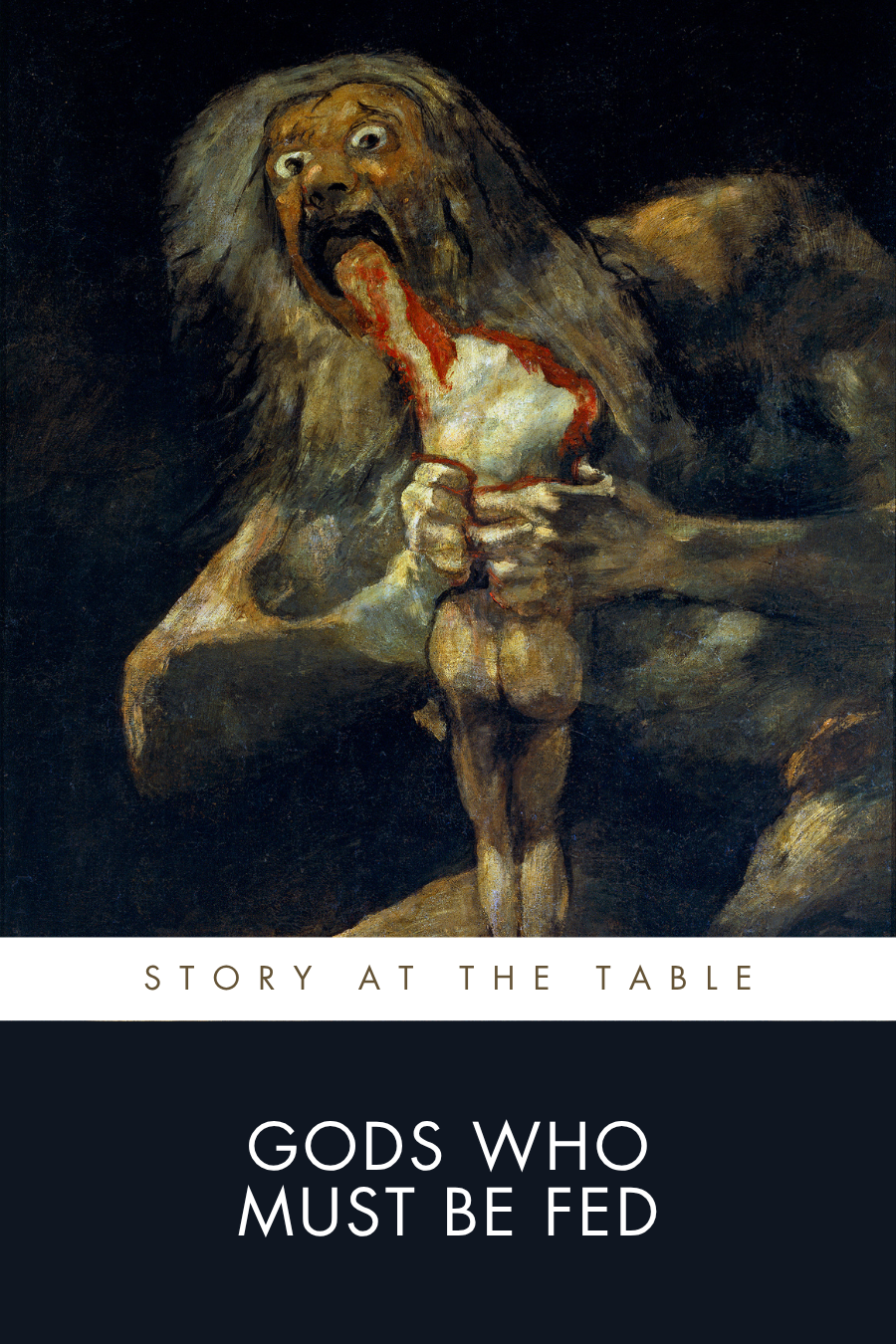
Bronze Age fantasy treats divinity as contingent rather than absolute. Gods endure because people act in ways that keep them present, visible, and effective. Authority rests on repeated public proof that the gods still answer, still intervene, and still matter. Sacrifice, procession, monument, and omen aren't private expressions of faith. They are civic mechanisms that bind divine power to visible outcomes. When crops rise after a festival, when a city survives a siege, when a king returns unmaimed from battle, the gods appear fed and satisfied. When these signs fail, doubt spreads quickly and dangerously.
This framing makes religious practice inseparable from political stability. Rulers are judged on their ability to maintain favor rather than on doctrine or moral purity. A king who can't secure signs loses legitimacy even if rituals continue. Temples become engines of public reassurance. Priests track patterns, interpret portents, and stage certainty under pressure. Their work is practical and exposed. This sourcebook emphasizes that the gods must be seen to work. Invisible grace won't sustain authority. What counts is spectacle that resolves anxiety in the open square.
27 pages. PDF and epub files included. No refunds on digital goods.