


Spellpoint Codex: Forcing Apples to Be Oranges
How to take a cool idea and accidentally break an entire system. Includes a PDF attachment of the Spellpoint Codex. Up now on Patreon for paid members.
Narrative Roleplaying Without Dice
If we’re going to challenge all assumptions about how roleplaying works, we have to look at the root of most rules: dice. This comes directly from wargaming and is the element that makes it a “game.” Rather than assuming things have fixed outcomes, randomness and probability are introduced under the guise of fairness. Failure, or anything other than the rationally expected outcome, is explained away after the fact, if it’s explained at all.
An Object at Rest Remains at Rest
Using Narrative Play with Legacy Roleplaying Systems. Learn how to use Principia Canonica with any roleplaying system to keep situations moving through pressure, decisions, and consequences without rewriting your rules.

Celebrating 50 Years of Fantasy Burnout
This is a repost from the Story at the Table Substack.

Nothing Left to Add
The next series of articles for Story at the Table will focus on the idea the Dungeons and Dragons is complete, and that the only way forward for game design is to move away from the paradigm it established.
A Sci-Fi RPG Scenario About AI Accusations and Public Judgment
A narrative RPG scenario exploring AI accusations, identity, and public judgment. A $1 science fiction concept with Blade Runner themes, built for Principia Canonica.
Story at the Table
I found the title was limiting and a bit too utilitarian. The new title shifts the focus to what I actually want to write about, narrative roleplaying games and their potential as a medium for creative expression.
Alignment as a Drive Trait
The following is an excerpt from the forthcoming second edition of Aristotle’s Alignment, reframing classic D&D nine-point alignment through the lens of The Nicomachean Ethics. It’s written with Principia Canonica in mind, but easily serves as a system-adaptable resource for those who want effective alignment-like mechanics in their campaigns. This post contains affiliate links.

10 Common One-Shot RPG Problems (And How to Fix Them Fast)
Struggling to run a great one-shot? Learn 10 common problems that waste time and how to fix them with clear structure, pressure, and consequence.
10 Common Mistakes in Narrative Roleplaying (And How to Fix Them)
Struggling with narrative roleplaying? Learn 10 common mistakes that break flow and how to fix them using instability, pressure, and consequence.
Alignment as a Weakness Trait
The following is an excerpt from the forthcoming second edition of Aristotle’s Alignment, reframing classic D&D nine-point alignment through the lens of The Nicomachean Ethics. It’s written with Principia Canonica in mind, but easily serves as a system-adaptable resource for those who want effective alignment-like mechanics in their campaigns. This post contains affiliate links.

Character Archetype: The Caregiver
The following is an excerpt from the forthcoming book Character Archetypes: Jungian Archetypes as Character Traits. Written for Principia Canonica, it also works as a system-adaptable resource for any roleplaying game.
Alignment as a Strength Trait
The following is an excerpt from the forthcoming second edition of Aristotle’s Alignment, reframing classic D&D nine-point alignment through the lens of The Nicomachean Ethics. It’s written with Principia Canonica in mind, but easily serves as a system-adaptable resource for those who want effective alignment-like mechanics in their campaigns. This post contains affiliate links.
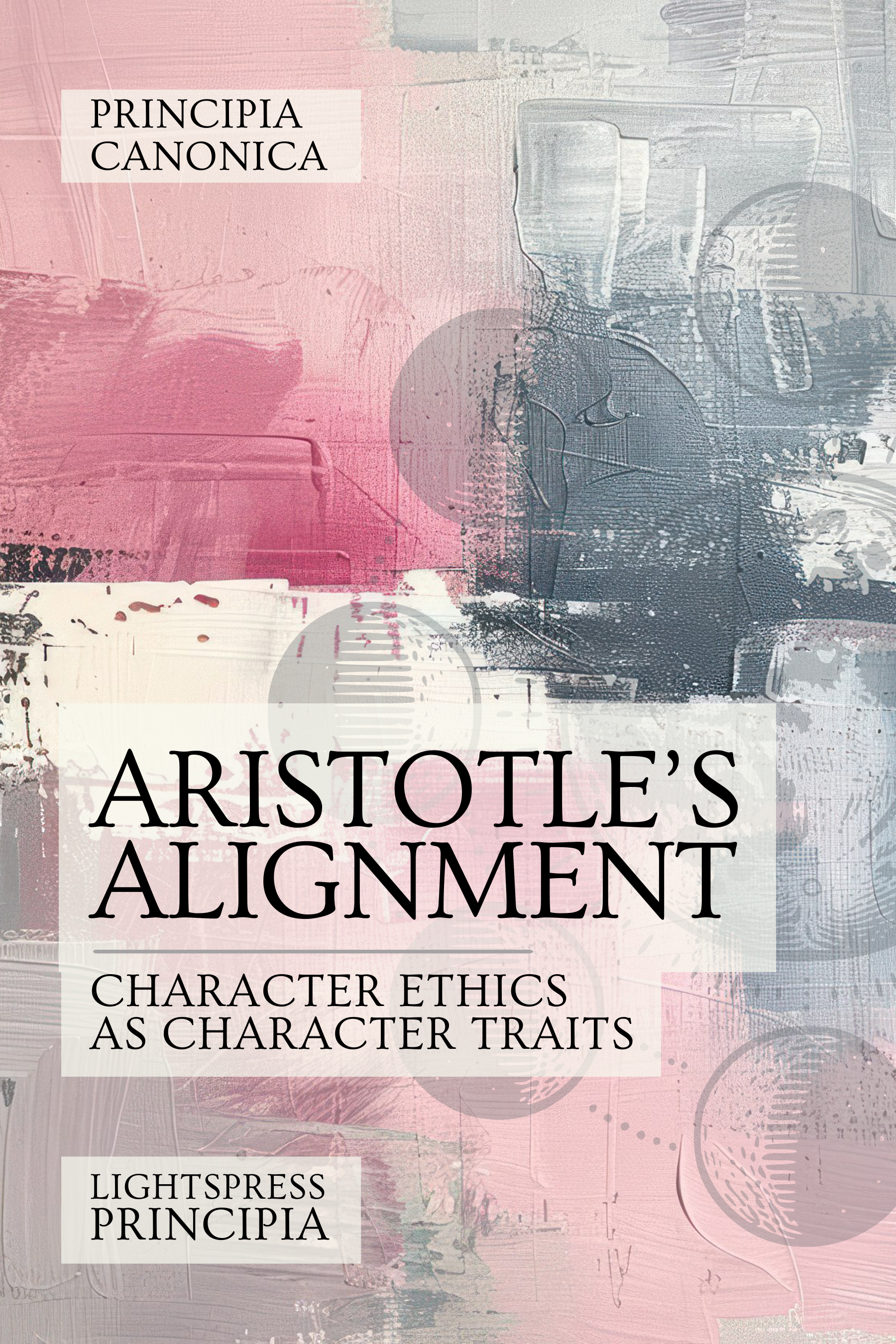
Now Available: Aristotle’s Alignment 2nd Edition
Explore a deeper approach to RPG alignment through Aristotle’s virtue ethics. Learn how Law, Chaos, Good, and Evil become dynamic traits that shape character growth, moral decisions, and story-driven play.
Alignment as an Identity Trait
The following is an excerpt from the forthcoming second edition of Aristotle’s Alignment, reframing classic D&D nine-point alignment through the lens of The Nicomachean Ethics. It’s written with Principia Canonica in mind, but easily serves as a system-adaptable resource for those who want effective alignment-like mechanics in their campaigns. This post contains affiliate links.
Start RPG Scenes Without Front-Loading Exposition
RPG scenes fall flat when they begin with a long explanation. Learn how to open with immediate tension so players engage right away.
Roger Corman’s System for Sustainable Creative Work
N for Narrative is our series on the books that have formed as an informal “Appendix N” for Lightspress Principia, shaping our approach to storytelling, creative work, and even how we do business. As such, this post contains affiliate links. You can see the current list of books we recommend at this link.

The Order of Things
Learn how timing, sequence, and access shape outcomes in mystery RPGs. A practical approach to running investigations through pressure, order, and consequence.

Principles of Mystery
Learn how to design mystery RPG scenarios that move through pressure, decision, and consequence. Replace hidden answers with active situations that respond to player action.