Sale Price:
$5.00
Original Price:
$10.00
A core setting guide for Witchpunk Fantasy roleplaying, written for narrative-first play and compatible with the Principia: The Simple Approach framework, with easy adaptation to other rulesets.
175 pages. PDF and epub files included
Also available at DriveThruRPG
Print and Kindle versions available from Amazon
Witchpunk fantasy centers on practiced magic woven into daily life. Spells shape neighborhoods, rituals bind households, and favors alter standing long after the words are spoken. Witches operate inside communities that know their names and track their habits. Power circulates through markets, shrines, guild halls, and kitchens, carried by rumor as much as flame or sigil. Unlike mythpunk, where power flows through inherited story and symbol, or arcanepunk, where magic scales through systems and infrastructure, witchpunk keeps craft personal and exposed. What matters is how use reshapes social space and who must respond afterward.
At the table, this produces play driven by reaction and recognition. Magic attracts attention from patrons, rivals, elders, spirits, and neighbors who respond according to custom and interest. Communities develop expectations around who may act, who must pay, and who gains protection. Characters move through a web of obligation, leverage, and reputation that grows denser with each working. Witchpunk scenes turn on who witnesses an act, who benefits indirectly, and who feels threatened enough to prepare an answer later.
The genre rewards accumulation. Each choice reshapes future options by narrowing trust, widening influence, or inviting scrutiny. Gamemasters track response as living pressure rather than background detail. Players make decisions with awareness of how today’s action alters tomorrow’s welcome, safety, and reach. Success changes status. Failure redirects authority. Momentum comes from mounting consequence that pushes characters into harder bargains and sharper refusals, keeping the world tight around them session after session.
This book establishes habits that support that mode of play from the start. Magic carries forward through obligation and memory. Deals create ongoing ties that others notice and exploit. Silence and refusal generate response alongside compliance. Tables use these ideas according to need, whether tuning scene framing, shaping character behavior, or aligning group tone. Collaboration accepts uneven outcomes as part of shared authorship. Discomfort remains present as a signal of pressure doing its work. When power lingers and response accumulates, the setting arrives ready to act before the first session begins.
A core setting guide for Witchpunk Fantasy roleplaying, written for narrative-first play and compatible with the Principia: The Simple Approach framework, with easy adaptation to other rulesets.
175 pages. PDF and epub files included
Also available at DriveThruRPG
Print and Kindle versions available from Amazon
Witchpunk fantasy centers on practiced magic woven into daily life. Spells shape neighborhoods, rituals bind households, and favors alter standing long after the words are spoken. Witches operate inside communities that know their names and track their habits. Power circulates through markets, shrines, guild halls, and kitchens, carried by rumor as much as flame or sigil. Unlike mythpunk, where power flows through inherited story and symbol, or arcanepunk, where magic scales through systems and infrastructure, witchpunk keeps craft personal and exposed. What matters is how use reshapes social space and who must respond afterward.
At the table, this produces play driven by reaction and recognition. Magic attracts attention from patrons, rivals, elders, spirits, and neighbors who respond according to custom and interest. Communities develop expectations around who may act, who must pay, and who gains protection. Characters move through a web of obligation, leverage, and reputation that grows denser with each working. Witchpunk scenes turn on who witnesses an act, who benefits indirectly, and who feels threatened enough to prepare an answer later.
The genre rewards accumulation. Each choice reshapes future options by narrowing trust, widening influence, or inviting scrutiny. Gamemasters track response as living pressure rather than background detail. Players make decisions with awareness of how today’s action alters tomorrow’s welcome, safety, and reach. Success changes status. Failure redirects authority. Momentum comes from mounting consequence that pushes characters into harder bargains and sharper refusals, keeping the world tight around them session after session.
This book establishes habits that support that mode of play from the start. Magic carries forward through obligation and memory. Deals create ongoing ties that others notice and exploit. Silence and refusal generate response alongside compliance. Tables use these ideas according to need, whether tuning scene framing, shaping character behavior, or aligning group tone. Collaboration accepts uneven outcomes as part of shared authorship. Discomfort remains present as a signal of pressure doing its work. When power lingers and response accumulates, the setting arrives ready to act before the first session begins.

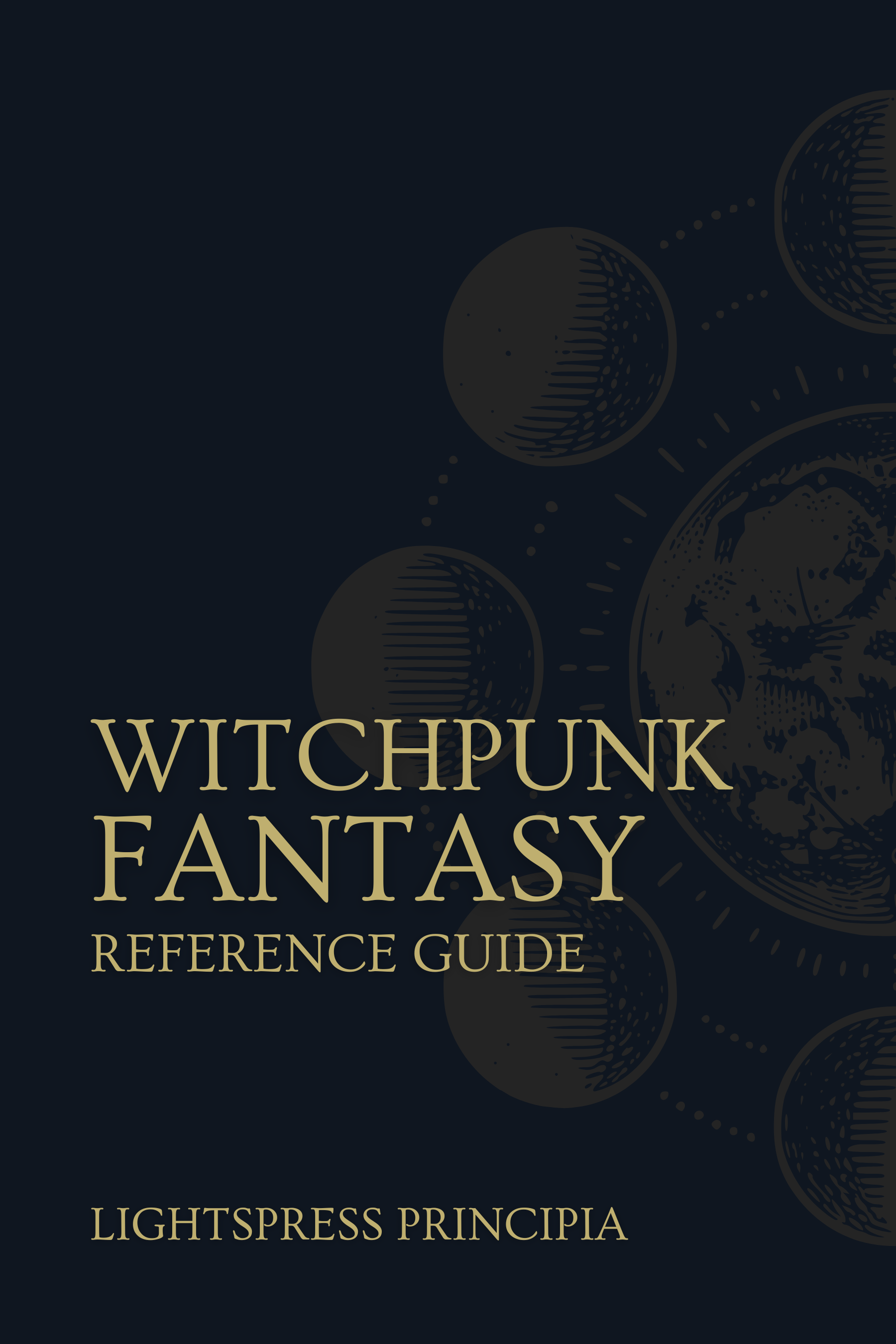 Image 1 of 1